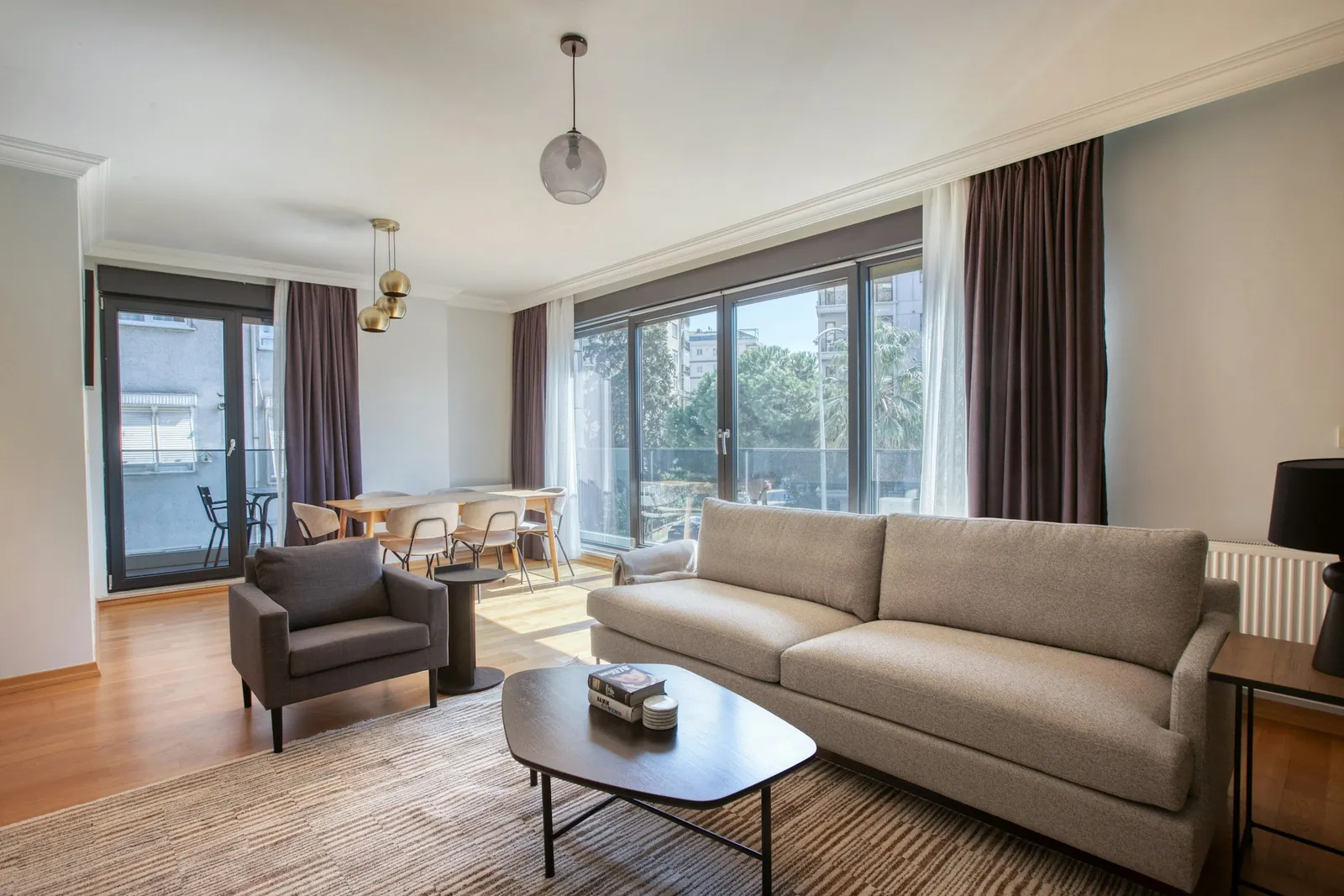
 Photo: Joey Huang / Unsplash
Understanding cooperatives
What Is a Senior Cooperative?
Senior cooperatives are a great way to own your home without the stress of maintenance. Learn how they work, what you own, and why many Minnesotans love this active lifestyle.
 By Lisa Dunn, SRES®, CSA®, CSREC · 6 min read
Maybe a friend mentioned it. Or you saw a sign outside a building and wondered what it meant. Whatever brought you here, I'm glad you're asking. Senior cooperatives are one of the best-kept secrets in housing for people 55 and older.
Let me explain what they are in plain terms.
A Home You Own — Without All the Headaches
A senior cooperative is a building where the residents own it together. You don't rent. You own a share of the whole building. That share gives you the right to live in your specific home.
Think of it like owning stock in a company — except the company is your home.
When you move in, you buy a share. The price depends on the building and the unit. In Minnesota, shares usually range from $100,000 to $400,000.
Once you own your share, you pay a monthly fee. This monthly fee (the co-op's shared operating cost) covers things like:
- Property taxes
- Building maintenance
- Insurance
- Some utilities
What Makes It Different From a Condo?
In a condo, you own your individual unit. In a cooperative, you own a share of the whole building. Here is what that means for you:
| Feature | Condominiums | Senior Cooperatives |
|---|---|---|
| Ownership | You own your specific unit outright. | You own a share of the entire building. |
| Mortgages | Each owner gets their own individual loan. | The building often has one shared mortgage. |
| Debt | Most units have individual debt. | Many co-ops are debt-free. |
| Rentals | Units can often be rented to anyone. | The board must approve new residents. |
Neither is better or worse — they're just different. But for many seniors, the co-op model feels more like a true community.
What Makes It Different From a Rental?
When you rent, you're a tenant. You don't build any value in the home. Your rent can go up every year. You also have no say in how the building is run.
In a cooperative, you're an owner. Your monthly fee is more stable than rent. You help elect the board that makes decisions.
When you're ready to leave, you sell your share. You often sell it for more than you paid. That's a big plus for your future.
Who Lives in Senior Cooperatives?
Most co-ops are for people 55 and older. Some are for those 62 and up. The residents are usually active adults who want to simplify their lives. They want to keep their freedom without the hard work of owning a house.
You'll find people who are:
- Tired of mowing the lawn or shoveling snow
- Looking for neighbors they can get to know
- Wanting to travel without worrying about their home
- Protecting the money they've worked hard to save
If any of that sounds like you, a co-op might be a great fit.
What Are the Benefits?
Here are the things my clients love most about co-op living:
Maintenance-free living. The building handles all repairs and yard work. You don't have to worry about a leaky pipe at 10 PM.
A real sense of community. Co-ops attract people who want to be good neighbors. Many have shared spaces, fun activities, and social events.
Predictable costs. The board sets your monthly fee. It covers most of your housing costs. You won't get surprise tax bills or huge repair costs.
You build equity. Equity is the value you own in your home. Unlike renting, your share can grow in value over time. When you sell, you keep that money.
You have a voice. As an owner, you vote on building decisions. You aren't just waiting on a landlord to fix things.
Is a Cooperative Right for You?
That depends on your situation. It depends on your money, your lifestyle, and what you want for your next chapter.
I've helped many people decide if a co-op is the right fit. Sometimes it is. Other times, a condo or a different type of home makes more sense.
My job is to help you understand your choices. I want you to make the choice that's right for you.
If you'd like to talk, I'm always happy to chat. There's no pressure — just honest help to make your move easier.
Ready to learn more? Browse the Minnesota Senior Cooperative Directory or contact Lisa directly.
Have a house to sell first? I’ll help you time it. See what your house is worth or book a free 30-minute call.