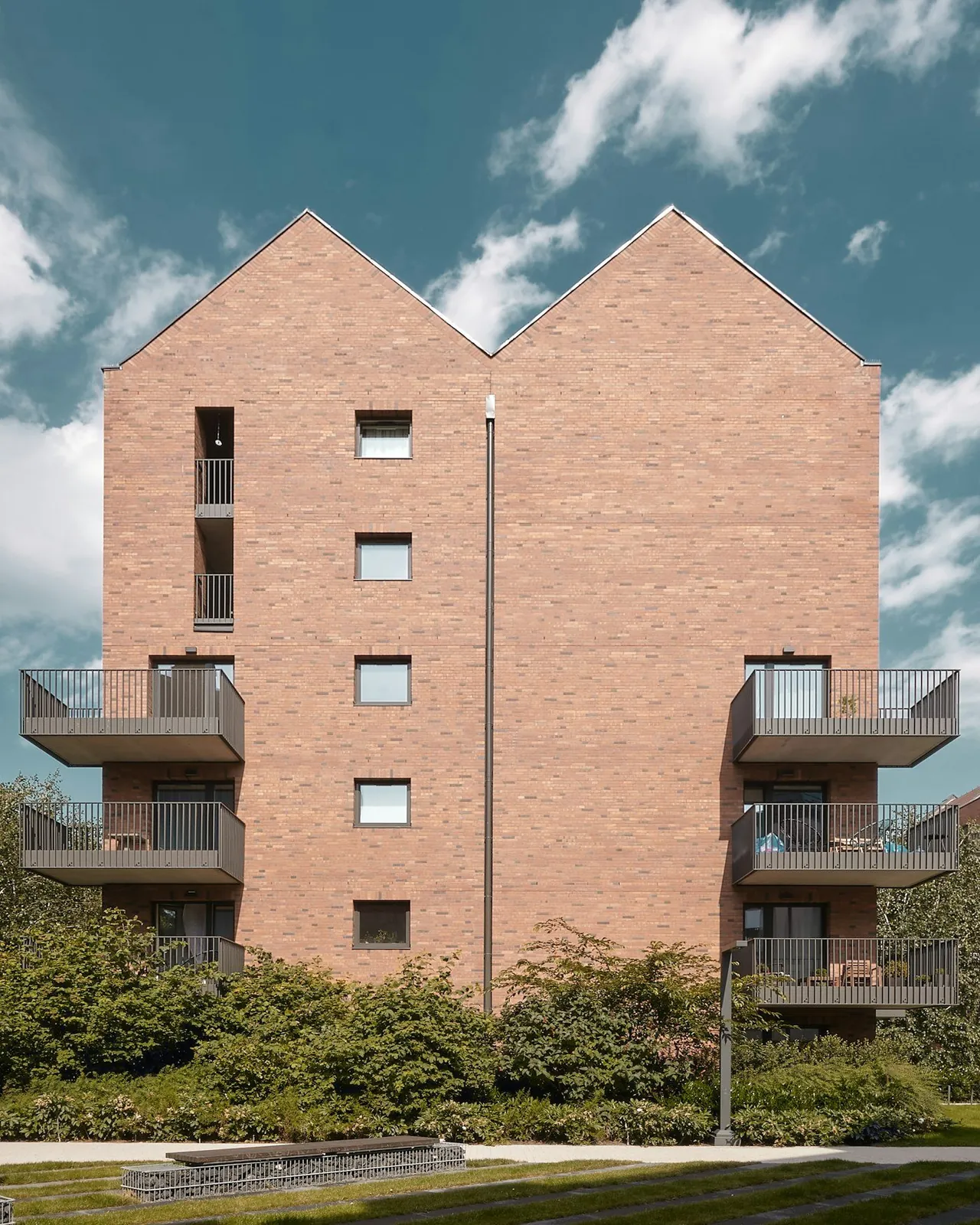
 Photo: Maciej Drazkiewicz / Unsplash
Comparing your options
Senior Cooperative vs. Condo: What's the Difference?
Both co-ops and condos offer great ways to own your home, but they work very differently. We'll help you understand the differences in ownership, costs, and community life.
 By Lisa Dunn, SRES®, CSA®, CSREC · 8 min read
If you're looking at senior housing, you've likely seen both senior cooperatives and condos. From the outside, they look a lot alike.
Both have shared spaces and neighbors nearby. But how you own them and how they're run are very different. It's important to know these differences before you choose.
What You Actually Own
This is the biggest difference. It surprises many people!
When you buy a condo, you get a deed. You own the space inside your walls. You also own a share of the common areas. Your unit is your own real estate. You can sell it or leave it to your family without asking anyone.
When you buy into a senior cooperative, you aren't buying real estate. Instead, you're buying a share in a company.
That company owns the whole building. Your share gives you a lease to live in your specific home. You own stock in the company, not a deed to a unit.
This change affects your taxes and how you sell your home. We'll explain more below.
How Decisions Are Made
Both condos and co-ops have a board of directors. These are neighbors elected to make choices for the building. Both have monthly fees and rules. But co-op boards have more power.
A condo association looks after the outside of the building and the hallways. They usually don't have much say over what happens inside your home. You can usually fix up or sell your unit whenever you want.
A co-op board has more control. Since the company owns the whole building, the board sets the rules for everyone. They even decide who can buy into the community.
Most co-ops ask new buyers to fill out an application. The board must approve the buyer before the sale is final. This is called board approval.
For many, this is a good thing. It helps keep the community stable and friendly. But it does mean selling a co-op takes a bit more work than selling a condo.
Monthly Fees: What's Included?
Both options have monthly fees. However, what you get for your money is different.
| Item | Condo Fee | Co-op Fee |
|---|---|---|
| Building and yard care | Included | Included |
| Shared utilities | Included | Included |
| Savings for repairs | Included | Included |
| Property taxes | You pay separately | Included |
| Building mortgage | Not included | Included (if there is one) |
| Management fees | Included | Included |
The co-op fee is sometimes called a "carrying charge." It usually includes your share of the building's property taxes.
If the building has a large loan (a blanket mortgage), your share of that payment is included too. This is why co-op fees often look higher at first. They just cover more of your costs in one bill!
Paying for Your Home
Buying a condo is like buying any other house. You get a standard mortgage from a bank. The bank uses your deed as a guarantee for the loan.
Buying a co-op is different. You need a share loan instead of a mortgage. Since there is no deed, the loan is for your share of the company. Fewer banks offer these loans.
They often ask for higher credit scores and more money upfront. Many co-op buyers pay with cash. This helps make sure everyone in the building is financially strong.
Some co-ops also have a blanket mortgage. This is one big loan for the whole building. Every member helps pay it off through their monthly fees. We can help you look at these details to see if they fit your budget.
Selling Your Home
Selling a condo is simple. You list it, pick an offer, and close the deal. The association isn't really involved.
Selling a co-op share has one extra step: board approval. Your buyer must show the board their financial info. The board wants to make sure the new neighbor can afford to live there. This process can add a month or two to the sale.
This is why it helps to work with someone who knows co-ops well. We can help make sure your buyer has everything ready so the sale goes smoothly.
Will the Value Go Up?
Condo prices usually follow the local housing market. The price depends on what other nearby homes are selling for.
Co-op values work a bit differently. In a market-rate co-op, the price is based on what buyers will pay. These can go up in value just like a house.
In a limited equity co-op, the price is set by a formula. This keeps the homes affordable for the next person, but it limits how much profit you can make.
Most senior co-ops in Minnesota are market-rate. This means your share can grow in value over time.
Which Is Right for You?
There's no single "best" choice. It depends on what you want most.
| If you want... | Consider a... |
|---|---|
| To sell quickly and easily | Condo |
| A stable community with screened neighbors | Co-op |
| A standard bank mortgage | Condo |
| One bill that includes taxes | Co-op |
| To rent out your unit | Condo |
| More control by the residents | Co-op |
Many seniors moving from a big house love the co-op model. It offers a real sense of community. Your neighbors all have a stake in making the building a great place to live.
That board approval process might seem like a hurdle, but it's what keeps the community strong.
If you want to see how the numbers look for you, try our Equity Preserver Calculator. It can show you the financial side of your choice over the next five years.
Do you have questions about which home fits you best? Lisa Dunn helps seniors find the right co-op in Minnesota. You can schedule a free chat or call 612-599-3484.
Have a house to sell first? I’ll help you time it. See what your house is worth or book a free 30-minute call.