Back to Resources
Understanding CooperativesAll States7 min read

The Social Safety Net: How Senior Cooperatives Naturally Combat Isolation

Senior isolation is one of the most serious health risks facing older Americans. Senior cooperatives are uniquely designed — by their physical layout, governance structure, and resident culture — to create the kind of organic community that combats loneliness and supports healthy aging.

LD

Lisa Dunn, SRES

Senior Real Estate Specialist · RE/MAX Results · Edina, MN

Quick Summary

Senior isolation is one of the most serious health risks facing older Americans. Senior cooperatives are uniquely designed — by their physical layout, governance structure, and resident culture — to create the kind of organic community that combats loneliness and supports healthy aging.

Senior isolation is not a minor inconvenience. The U.S. Surgeon General has described it as a public health crisis, with research showing that chronic loneliness carries health risks comparable to smoking 15 cigarettes a day. For seniors living alone in large homes — often in suburban neighborhoods where driving is required for every social interaction — isolation is not a theoretical risk. It is a daily reality.

Senior cooperative housing addresses this problem not through programming or intervention, but through design. The physical layout, governance structure, and resident culture of a well-functioning cooperative create the conditions for organic community in ways that no other housing model can replicate.

The Architecture of Connection

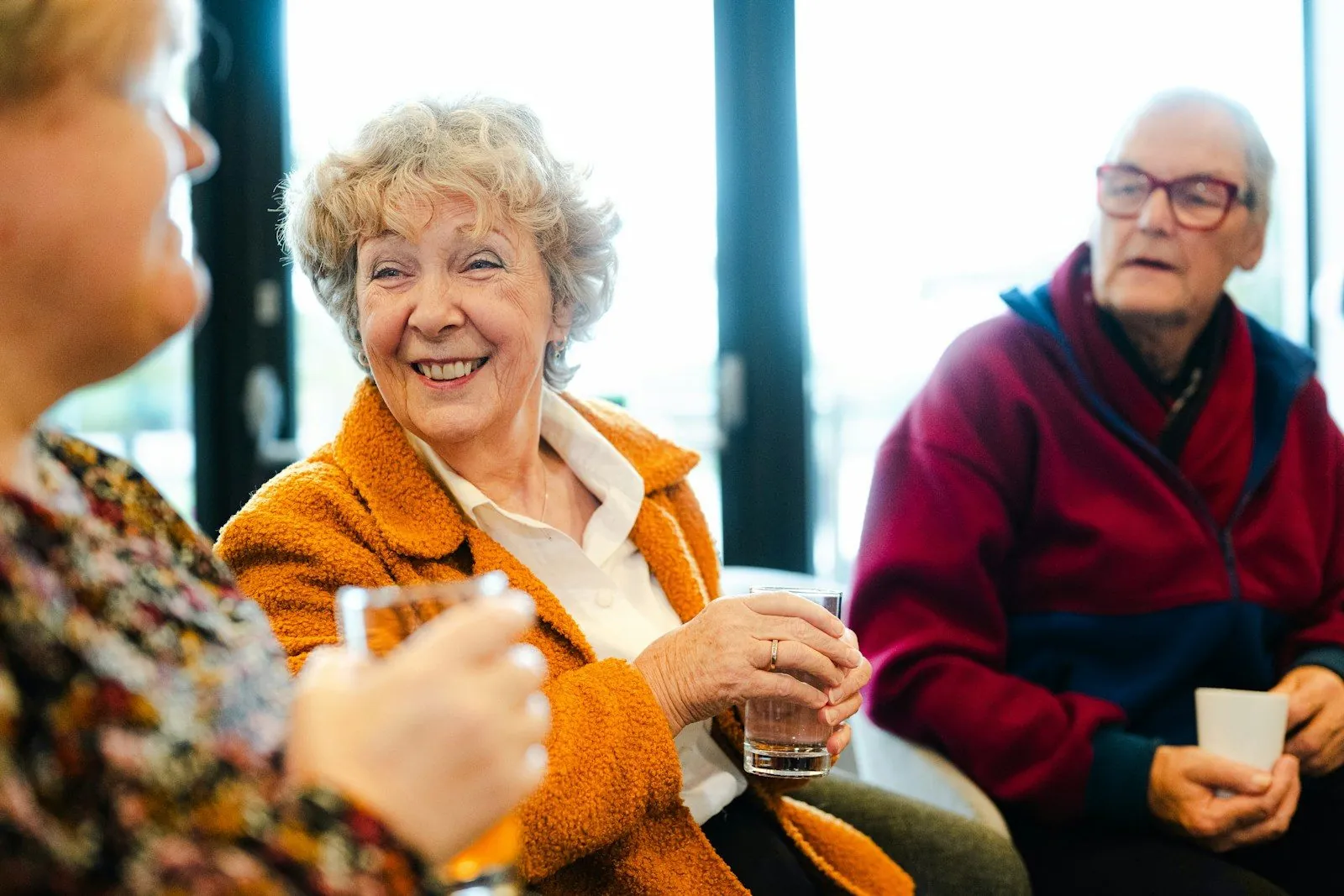
Senior cooperatives are typically mid-rise buildings with common areas designed to encourage casual interaction: a lobby where residents cross paths daily, a community room where events are held, a fitness center, a library, a workshop, a garden. These spaces are not amenities in the traditional sense — they are the infrastructure of community life.

The difference between a cooperative and a luxury apartment building with the same amenities is governance and ownership. In an apartment building, the common areas belong to the landlord and are managed for the landlord's purposes. In a cooperative, the common areas belong to the residents collectively, and they are managed by and for the residents. This ownership creates a fundamentally different relationship with the space — and with each other.

The Governance Effect

The resident-led governance model of a cooperative does something that no apartment building can replicate: it gives residents a reason to know each other. Board elections, annual meetings, committee work, and the daily business of running a community create structured opportunities for residents to interact, collaborate, and build relationships.

Residents who serve on the board know their neighbors in a way that goes beyond casual hallway greetings. They have worked together on problems, disagreed and found compromise, and shared the satisfaction of a well-run community. This depth of connection is the social fabric that makes cooperative living so different from other forms of senior housing.

What the Research Shows

Studies of senior cooperative residents consistently find higher levels of social engagement, lower rates of depression, and better self-reported health outcomes compared to seniors living in traditional housing. A landmark study by the National Cooperative Bank found that cooperative residents reported significantly higher levels of community belonging and social support than comparable seniors in rental housing.

The mechanism is not mysterious. When you own your home, you have a stake in your community. When your neighbors are also owners, they have a stake too. That shared stake creates the foundation for genuine community — not the managed, programmed community of an assisted living facility, but the organic, self-directed community of people who have chosen to live together and govern themselves.

For Adult Children: What This Means for Your Parent

If you are researching cooperative housing for a parent, the social dimension may be the most important factor to evaluate. Ask the cooperative's management team about resident engagement: How well-attended are community events? How active is the resident association? What is the culture around welcoming new residents?

When you visit, pay attention to what you see in the common areas. Are residents using the spaces? Are there signs of active community life — a bulletin board with upcoming events, a community garden that is clearly being tended, residents gathered in the lobby? These are the signals that tell you whether the community is genuinely alive.

A parent who moves into a thriving cooperative community will likely be more socially engaged, more physically active, and more mentally stimulated than they would be in a large home where social interaction requires deliberate effort and a car. That outcome is worth more than any amenity checklist.

Lisa Dunn, SRES, has visited dozens of Minnesota senior cooperatives and can help you identify communities with the strongest social cultures. Call 612.599.3484 for a free consultation.

LD

About the Author

Lisa Dunn, SRES

Senior Real Estate Specialist · RE/MAX Results · 7700 France Ave S, Suite 230, Edina, MN 55435

Lisa Dunn holds the Seniors Real Estate Specialist (SRES) designation and has spent her career helping Minnesota seniors navigate the unique world of cooperative housing. She specializes in coordinating the sale of a client's current home with their cooperative move-in — managing both sides of the transition so her clients can focus on the next chapter.

SRES DesignationCooperative SpecialistSeller RepresentationTwin Cities Market

Minnesota Cooperative Specialist

Lisa Dunn, SRES

RE/MAX Results · Senior Real Estate Specialist

7700 France Ave S, Suite 230 · Edina, MN 55435

Have questions about cooperative living in Minnesota? Lisa offers free consultations with no pressure — just honest information to help you make the right decision.

Free Home Valuation

What Is My Home Worth?

Get an instant estimate plus a personalized report from Lisa Dunn, SRES — Minnesota's senior cooperative specialist.

No obligation. Your information is never shared or sold.